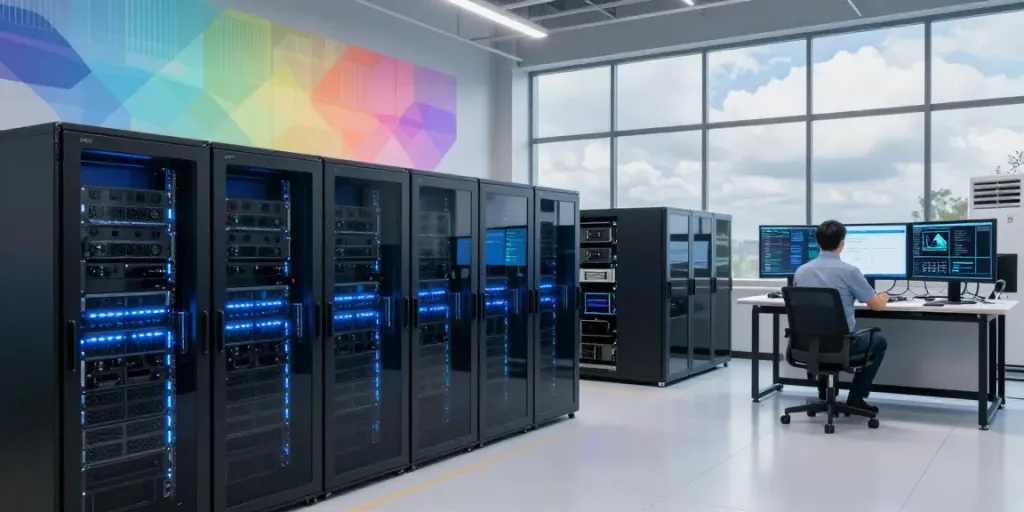
Understanding AI Infrastructure: The Backbone of Modern AI
In the rapidly evolving landscape of artificial intelligence (AI), robust AI infrastructure plays a pivotal role in supporting the development, deployment, and management of AI applications. It encompasses the hardware, software, and networking components necessary to run complex AI models efficiently. As businesses increasingly look to harness the power of AI, understanding the intricacies of AI infrastructure is more vital than ever. When exploring options, AI infrastructure provides comprehensive insights that can help organizations enhance their operational capabilities and achieve their strategic goals.
What is AI Infrastructure?
AI infrastructure refers to the entire ecosystem that facilitates AI workloads, including data processing, model training, and inference operations. This ecosystem consists of several layers:
- Hardware: This includes powerful GPUs and TPUs designed to handle extensive computational tasks.
- Software: Frameworks and platforms such as TensorFlow and PyTorch that assist in building and deploying AI models.
- Networking: High-speed connections that enable rapid data transfer between components and storage systems.
- Data Management: Systems that store, manage, and retrieve the vast amounts of data required for training AI models.
Key Components of Effective AI Infrastructure
Effective AI infrastructure hinges on several key components that work synergistically:
- Compute Resources: High-performance computing resources, especially specialized hardware like GPUs, are crucial for running complex models.
- Storage Solutions: Efficient storage systems like SSDs and cloud storage ensure quick access to large data sets.
- Scalability: The ability to scale resources quickly is essential, especially in response to fluctuating workloads.
- Security: Robust cybersecurity measures safeguard sensitive data and ensure compliance with regulations.
How AI Infrastructure Supports Growth
AI infrastructure enables companies to innovate more rapidly while optimizing operational efficiencies. By leveraging sophisticated machine learning algorithms, businesses can uncover insights from data, enhance customer experiences, and drive operational excellence. Moreover, a well-structured AI infrastructure allows for:
- Faster Time-to-Market: Companies can deploy AI solutions like predictive analytics or automation more swiftly.
- Cost Efficiency: Optimizing resource usage can lead to significant cost savings.
- Agility: Businesses can pivot quickly in response to market demands.
The Role of Power in AI Infrastructure
A reliable power supply is critical for the uninterrupted operation of AI infrastructure. The constant demand from GPU-intensive workloads necessitates a robust and scalable energy solution capable of meeting these needs without fail.
Why Reliable Power is Critical for AI Operations
AI workloads, particularly those that involve deep learning, require sustained power to ensure continuous processing and data flow. Power outages or fluctuations can lead to significant downtime, which can hinder productivity and negatively affect revenue. Reliable power also ensures optimal performance of cooling systems that protect sensitive hardware from overheating, a common risk in high-density computing environments.
Innovative Power Solutions for AI Infrastructure
With the increasing demand for AI capabilities, innovative power solutions are being developed to meet these needs. Companies are exploring options such as:
- Renewable Energy: Utilizing solar and wind energy sources to reduce reliance on fossil fuels and enhance sustainability.
- Microgrid Solutions: Creating localized energy systems that can operate independently to ensure consistent power supply.
- Smart Power Management: Implementing AI-driven systems that can optimize energy consumption based on workload demand.
Case Studies: Power Efficiency in AI Factories
Numerous organizations are demonstrating how strategic power management can enhance efficiency in AI factories:
- Company A: Through the implementation of a microgrid, they achieved a 30% reduction in energy costs while maintaining uninterrupted service to their AI operations.
- Company B: By integrating renewable energy sources, they significantly lowered their carbon footprint and established a sustainable AI model.
Participating in the AI Token Economy
The AI Token Economy represents a paradigm shift in how AI resources are utilized and monetized. By facilitating a connection between power resources and AI services, it allows various stakeholders to benefit from their contributions toward the infrastructure.
Understanding AI Tokens and Their Value
AI tokens are unique metrics that represent the computational resources consumed in executing AI tasks. Unlike cryptocurrencies, these tokens serve as units of measurement for AI service usage, helping to create a transparent and accountable system. Their value is derived from the operational performance of the AI workloads they represent.
Your Role in the AI Token Economy
Individuals and organizations can participate in the AI Token Economy by selecting an AI infrastructure power plan. By doing so, they contribute to the energy requirements of AI operations while enjoying potential rewards based on their contributions.
How to Choose an AI Infrastructure Power Plan
Selecting the right AI infrastructure power plan involves considering several factors:
- Energy Requirements: Assessing the power needs based on the anticipated AI workloads.
- Participation Period: Determining the duration you wish to support AI operations.
- Operating Profile: Understanding which plan aligns best with your operational capabilities and goals.
Building Scalable AI Infrastructure
Scalability is essential in AI infrastructure, as it dictates how effectively an organization can respond to increasing data and computational demands.
Strategies for Scaling AI Workloads
Organizations can implement several strategies to facilitate the scaling of AI workloads:
- Cloud Computing: Leveraging cloud platforms to access additional resources on-demand.
- Distributed Computing: Utilizing multiple interconnected systems to handle larger tasks collectively.
- Batch Processing: Organizing workloads into batches to enhance processing efficiency.
Resource Management in AI Infrastructure
Effective resource management involves:
- Monitoring Usage: Tracking resource consumption to identify bottlenecks and optimize allocation.
- Automating Resource Allocation: Using AI to predict workload demands and adjusting resources accordingly.
Future Trends in AI Infrastructure Scalability
As the field of AI continues to progress, several trends are shaping the future of AI infrastructure scalability:
- Edge Computing: Distributing processing closer to the source of data generation to reduce latency.
- Federated Learning: Allowing multiple devices to contribute to AI models without sharing raw data, enhancing privacy and efficiency.
Measuring Success in AI Infrastructure Projects
Success in AI infrastructure projects can be gauged through various performance metrics that indicate efficiency and effectiveness.
Performance Metrics for AI Infrastructure
Key performance indicators (KPIs) may include:
- Processing Speed: Time taken to complete AI tasks.
- Cost Efficiency: Operational costs versus outputs achieved.
- Scalability: Ability to increase workload without compromising performance.
Evaluating Return on Investment in AI Projects
Calculating ROI involves assessing the financial gains from AI initiatives against the initial investment. Metrics such as time saved, increased revenue, and cost reductions can provide a comprehensive view of the project's efficacy.
Common Challenges and Solutions in AI Infrastructure
Organizations may encounter several challenges in implementing AI infrastructure:
- Data Silos: Integrating disparate data sources can be complex. Solutions include developing comprehensive data management strategies that promote data sharing.
- High Costs: The initial investment for AI infrastructure can be significant. Exploring financing options or phased implementation strategies can mitigate this issue.
What is AI infrastructure?
AI infrastructure is the comprehensive ecosystem that encompasses the hardware, software, and data management systems required to perform AI-related tasks efficiently.
How does power affect AI infrastructure?
Power is critical to maintaining the operational stability of AI infrastructure, as it directly impacts the performance of computational resources and cooling systems.
What are the top components of AI infrastructure?
The key components include compute resources, storage solutions, networking, and effective data management systems to enable seamless AI operations.
How can I participate in the AI Token Economy?
Participants can join the AI Token Economy by selecting an appropriate AI infrastructure power plan that aligns with their operational capabilities and contributes to AI resource requirements.
What future trends should I expect in AI infrastructure?
Emerging trends include enhanced scalability through edge computing, the adoption of federated learning, and the integration of AI for better resource management.