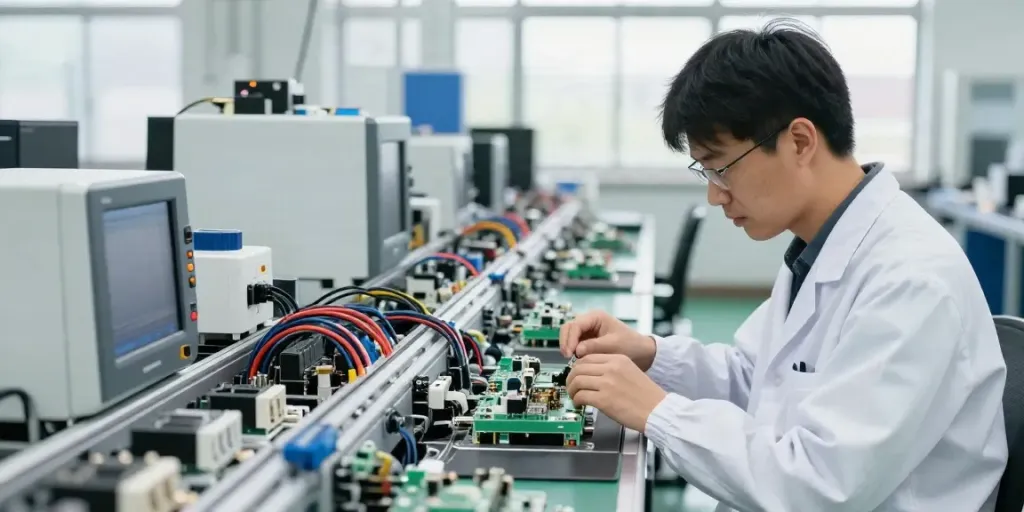
Understanding the Role of an Electronic Components Supplier
In today's fast-paced technological landscape, the role of an Electronic components supplier is pivotal to the overall success of countless industries. From telecommunications to medical devices, suppliers of electronic components are vital to ensuring the availability and reliability of quality parts that drive innovation. This article delves into the significance of electronic components suppliers, particularly focusing on quality standards, market trends, and the essential products they offer.
What is an Electronic Components Supplier?
An electronic components supplier is a business that provides the necessary parts and materials for the production and assembly of electronic devices. These components include semiconductors, passive components, connectors, and custom products designed to meet specific client needs. Suppliers can operate on a global scale, catering to various industries and offering products that comply with international standards.
Importance of Quality Standards and Certifications
The quality of electronic components is non-negotiable, especially in sectors such as medical devices, automotive, and aerospace. Suppliers must adhere to strict quality standards and obtain relevant certifications such as ISO, UL, and RoHS to ensure the components are safe and reliable. These certifications not only help mitigate risks associated with faulty components but also enhance supplier credibility in a competitive market.
Market Trends in Electronic Components Supply
The electronic components market is influenced by several trends, including the rise of automation, the Internet of Things (IoT), and the growing demand for electric vehicles (EVs). Suppliers are evolving to meet these changing demands by investing in advanced manufacturing technologies and solutions that promote sustainability and efficiency. Additionally, the global supply chain challenges have led to an increased focus on local sourcing and longer-term supplier relationships to ensure uninterrupted availability of critical components.
Core Products Offered by Electronic Components Suppliers
Understanding the core products offered by electronic components suppliers can help businesses select the right supplier for their needs. Suppliers typically cover a wide range of product categories, each with its own specifications and applications.
Overview of IEC Connectors and Their Applications
IEC connectors are a vital component in connecting electrical appliances to power supplies. The International Electrotechnical Commission sets safety standards for these connectors to ensure they can handle voltages up to 250 V and currents up to 16 A. LANZ Electronics, for instance, specializes in IEC connectors designed specifically for industrial and commercial applications, ensuring maximum reliability and safety.
Power Cords: Types and Specifications
Power cords are crucial for delivering electricity to devices. They come in various types, including IEC C and CEE connectors, and are made from materials like PVC, rubber, and TPE. Understanding the specifications of these cords, such as their voltage ratings and safety certifications, is essential for ensuring compatibility and safety in different applications.
Custom Wire Harness Solutions for Specific Needs
Wire harness assemblies are integral to organizing and ensuring reliable electrical connections within devices. Suppliers often provide custom solutions to meet specific installation needs, incorporating various wires, connectors, and terminals into a cohesive system. This tailored approach allows for efficient installation and improved performance of electronic devices.
Choosing the Right Electronic Components Supplier
Selecting a reliable electronic components supplier is critical for the success of any electronics project. Factors such as expertise, delivery times, and customer support should be meticulously evaluated.
Key Factors in Selecting a Reliable Supplier
When choosing a supplier, consider factors such as their experience in the industry, their product range, and their ability to provide custom solutions. A supplier with a broad offerings portfolio and a history of serving similar industries can provide valuable insights and reduce delivery risks associated with multiple suppliers.
Evaluating Supplier Reputation and Customer Feedback
Supplier reputation can significantly impact your business success. Look for reviews and testimonials from other customers to evaluate the quality of products and services offered. Engaging with existing customers can provide insights into reliability, responsiveness, and overall satisfaction.
The Role of Certifications in Supplier Selection
Certifications such as ISO and UL ensure that suppliers meet industry standards for quality and safety. Confirming that your supplier has these certifications can provide peace of mind that the products supplied will meet the necessary requirements for your applications.
Best Practices for Working with Your Supplier
To foster a productive partnership with your electronic components supplier, effective collaboration and communication are key.
Effective Communication and Collaboration Strategies
Open communication is essential for a successful supplier relationship. Regularly discussing project needs, timelines, and potential issues can help mitigate risks and enhance collaboration. Ensure that both parties clearly understand expectations, deliverables, and deadlines.
Understanding Lead Times and Inventory Management
Understanding your supplier's lead times and inventory management processes can help in planning and ensure that products are available when needed. Discussing these aspects upfront can prevent delays that may affect your production schedule.
Negotiating Terms of Purchase and Pricing
Negotiating favorable terms of purchase, including pricing, payment terms, and delivery options, is crucial. A transparent negotiation process can lead to better terms that benefit both parties without compromising quality.
The Future of Electronic Components Supply Chain
The landscape of electronic components supply is continually evolving, influenced by technological advancements and market demands.
Emerging Technologies in Component Manufacturing
As industries demand smarter and more efficient components, emerging technologies such as additive manufacturing (3D printing) and automation are revolutionizing how components are produced. These innovations can reduce lead times and costs while allowing for greater customization.
Sustainability Practices in the Electronic Supply Chain
As environmental concerns grow, sustainability practices are becoming increasingly important in the electronic supply chain. Suppliers are expected to implement eco-friendly manufacturing processes and provide components that are compliant with regulations regarding hazardous substances.
Predictions for Supplier Dynamics in 2026 and Beyond
Looking ahead, the dynamics of electronic component suppliers will likely incorporate more digital solutions, such as AI and data analytics, to enhance inventory management and forecasting. These advancements could lead to more resilient supply chains and better responsiveness to market changes.
What are the top electronic component suppliers?
The top electronic component suppliers globally include names like DigiKey, Mouser Electronics, and Future Electronics, each offering unique advantages such as vast inventories and competitive pricing. Evaluating these suppliers based on specific needs can help identify the best fit for your business.
Where can I find a reliable electronic components distributor?
Reliable electronic components distributors can be found online and through industry trade shows. Researching and comparing suppliers based on customer feedback, certifications, and product offerings can lead to the right choice.
What should I look for in an electronic components supplier?
Key characteristics to look for include a diverse product range, adherence to quality standards, responsiveness to inquiries, and a proven track record of reliability. Ensuring that these criteria are met can significantly enhance your supplier relationships and overall project success.