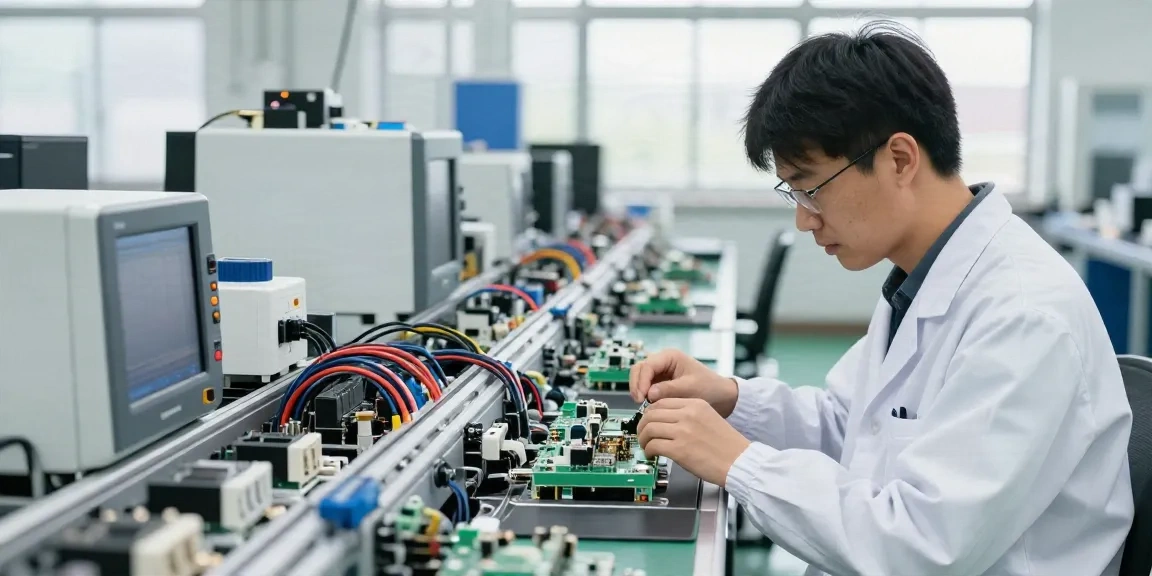
Understanding Aerospace CNC Machining Processes
Aerospace CNC machining has become a cornerstone of modern aerospace manufacturing, offering unprecedented precision and efficiency in the production of components. With a booming aerospace sector, manufacturers are increasingly seeking reliable partners for custom parts development. Leading aerospace cnc parts manufacturers leverage advanced technologies to ensure that each component meets stringent industry standards.
Overview of CNC Machining in Aerospace
CNC (Computer Numerical Control) machining involves the use of computers to control machine tools. It allows for high levels of automation, which is essential in the aerospace industry where precision is critical. Parts are typically created through processes such as milling, turning, and drilling, enabling manufacturers to produce complex geometries that would be challenging with traditional machining methods.
Importance of Precision in Aerospace Components
Precision in aerospace components is not just about meeting design specifications; it often affects safety and performance. Even minor deviations in part dimensions can lead to significant issues in flight operations. Therefore, CNC machining provides the consistent accuracy required for components used in critical applications, from engines to aerostructures.
Materials Used in Aerospace CNC Machining
Aerospace manufacturers must choose materials that not only meet performance criteria but also present the best machinability. Commonly used materials include:
- Aluminum Alloys: Known for their lightweight nature and strength;
- Titanium Alloys: Valued for high strength-to-weight ratios and corrosion resistance;
- Stainless Steel: Provides excellent durability and corrosion resistance;
- Composite Materials: Used for their lightweight properties and structural integrity.
Evaluating Leading Aerospace CNC Parts Manufacturers
When evaluating CNC parts manufacturers, organizations must consider several critical factors that can affect overall project outcomes. These include the manufacturer’s experience, technology infrastructure, and quality control processes to ensure meeting compliance with aerospace standards.
Criteria for Selecting a Manufacturer
- Experience and Reputation: Look for companies that have a proven track record in aerospace machining.
- Technology Utilization: Ensure the manufacturer utilizes advanced CNC machines and software for design and production.
- Quality Assurance: Manufacturers should have robust quality control measures to verify the specifications of each part.
- Certifications: Look for ISO 9001 and AS9100 certifications, which indicate adherence to quality management and aerospace standards.
Top Manufacturers in 2026
As the aerospace industry continues to grow, key players are emerging who are leading the charge in CNC machining. Companies are exploring automation and integrating AI technologies to enhance production capabilities. Some of the notable manufacturers include:
- Owens Industries
- Ardel Engineering
- Miller CNC
- Precision Castparts Corp.
Case Studies of Successful Partnerships
Successful partnerships between aerospace companies and CNC manufacturers yield innovations that redefine industry standards. For example, one collaboration resulted in a new type of lightweight bracket that improved fuel efficiency in commercial aircraft, showcasing how effective manufacturing can lead to significant performance gains.
Innovative Technologies Shaping Aerospace Manufacturing
Technology is rapidly changing the landscape of aerospace manufacturing. Innovations such as AI, machine learning, and cloud computing are redefining how CNC machining is conducted.
AI Implementation in CNC Machining
Artificial Intelligence (AI) is making waves in manufacturing, particularly in predictive maintenance and process optimization. By gathering data from CNC machines, AI systems can forecast potential failures, thereby minimizing downtime and improving productivity. Implementing machine learning algorithms to optimize complex machining operations is becoming a game-changer in achieving precision.
Cloud Computing for Manufacturing Efficiency
Cloud computing solutions enable manufacturers to store vast amounts of data and collaborate in real-time across geographies. This connectivity allows for streamlined operations, effective resource planning, and enhanced data security. With cloud-based systems, manufacturers can also easily manage CAD files and production schedules, leading to better coordination and execution.
Emerging Trends in Aerospace Technology
The aerospace sector is witnessing trends such as automation, the Internet of Things (IoT), and additive manufacturing taking the forefront. Automation enhances productivity, IoT-enabled machines provide real-time analytics, and additive manufacturing (3D printing) allows for rapid prototyping and on-demand part production.
Risks Associated with Aerospace CNC Manufacturing
Despite the advancements in technology, the aerospace industry faces unique risks that can affect the quality and safety of components produced through CNC machining.
Common Challenges and Solutions
Challenges such as material failures, tooling wear, and production inconsistencies can arise. Addressing these issues involves rigorous testing, implementing reliable quality assurance protocols, and investing in advanced machine tools that minimize defects.
Cybersecurity in Aerospace Manufacturing
As aerospace manufacturers increase their digital footprint, cybersecurity has emerged as a vital concern. Protecting sensitive data and intellectual property from cyber threats through robust security practices is paramount. Utilizing secure coding practices, regular audits, and adopting a zero-trust architecture can mitigate risks considerably.
Staying Compliant with Aerospace Standards
Compliance with standards such as AS9100 and FAA regulations is critical for any aerospace component manufacturer. Regular training, documentation, and audits are essential to ensure adherence to these regulations, which maintain safety and reliability across the industry.
Future of Aerospace Parts Manufacturing
The future of aerospace parts manufacturing is poised for disruption through sustainable practices, advanced technologies, and adaptive manufacturing strategies that address evolving market demands.
Sustainable Practices in Aerospace Manufacturing
Sustainability in aerospace is gaining traction, with manufacturers seeking to reduce their environmental impact through energy-efficient processes, the use of recyclable materials, and reduced waste. Efforts to incorporate bio-based materials into the production process illustrate a commitment to environmental stewardship.
Scaling Production with Advanced Technologies
As the industry expands, scaling production while maintaining quality becomes a challenge. Technologies such as automation and AI play crucial roles in augmenting workforce capabilities, allowing firms to scale operations without compromising on precision or quality standards.
Consumer Electronics Influence on Aerospace CNC
The influence of consumer electronics is increasingly evident in aerospace manufacturing. Expectations for shorter delivery times and higher customization echo trends from consumer electronics. Aerospace manufacturers are adopting similar strategies to meet demands, leveraging advanced machining technologies and agile manufacturing methods.
FAQs
What are the top aerospace components manufacturers?
Some of the leading companies include Owens Industries, Ardel Engineering, and Miller CNC Engineering, known for their precision and quality in parts manufacturing.
How does AI improve aerospace CNC machining?
AI enhances aerospace CNC machining by enabling predictive maintenance, optimizing machining processes, and reducing production times through improved scheduling and efficiency.
What materials are essential for aerospace parts manufacturing?
Essential materials for aerospace parts include aluminum alloys, titanium alloys, and composite materials, each selected for their specific strength, weight, and performance characteristics.