Understanding the Role of Water Treatment System Suppliers
In today's world, the significance of clean and safe water cannot be overstated. Water treatment system suppliers play a crucial role in ensuring that both industries and municipalities have access to efficient and advanced water management solutions. By leveraging innovation and technology, these suppliers address the complexities of water supply and wastewater management. Among the leading providers is QILEE, a trusted Water Treatment System Supplier that specializes in integrated water treatment systems tailored for diverse applications.
What is a Water Treatment System Supplier?
A water treatment system supplier is a company that designs, manufactures, and installs systems for purifying water or treating wastewater. These systems are integral to maintaining public health and supporting various industrial processes. Suppliers like QILEE not only deliver systems but also offer comprehensive services that include consulting, maintenance, and system upgrades, ensuring sustainability and compliance with local regulations.
The Importance of Reliable Water Supply for Industries
Industries rely on a consistent supply of clean water for processes ranging from cooling systems to product manufacturing. Without effective water treatment, companies may face operational disruptions due to water quality issues. Moreover, compliance with environmental regulations necessitates stringent wastewater treatment processes. Thus, having a reliable water treatment system supplier is paramount for industry resilience and sustainability.
Key Innovations in Water Treatment Technology
Recent advancements in water treatment technologies have revolutionized how industries manage water resources. Innovations such as smart sensors, membrane filtration technologies, and advanced oxidation processes enhance the efficiency and effectiveness of water treatment systems. Suppliers like QILEE employ these technologies to deliver robust solutions capable of addressing modern water challenges, including water scarcity and pollution.
Main Applications of Integrated Water Treatment Systems
Integrated water treatment systems are versatile and can be tailored for numerous applications across different sectors. Understanding these applications helps stakeholders choose the right system that meets their needs effectively.
Pure & Drinking Water Treatment Solutions
Access to safe drinking water is essential for public health. QILEE’s solutions for pure and drinking water treatment focus on removing contaminants and ensuring compliance with health regulations. Utilizing techniques such as reverse osmosis and ultraviolet disinfection, our systems provide high-quality potable water suitable for various settings, from municipalities to remote communities.
Industrial Wastewater Treatment Challenges
Industries generate significant volumes of wastewater that can contain harmful substances. QILEE specializes in industrial high-difficulty wastewater treatment, employing customized processes designed to handle specific contaminants effectively. Our systems not only treat wastewater efficiently but also recover valuable resources, making processes more sustainable.
Municipal Sewage Treatment Practices
Municipal sewage treatment is critical to safeguarding public health and the environment. QILEE’s municipal sewage treatment solutions are designed to meet the increasing demands of urban areas. With advanced biological treatment methods and energy-efficient processes, our systems ensure compliance with discharge regulations while minimizing operational costs.
Benefits of Using Containerized Water Treatment Systems
Containerized water treatment systems provide unique advantages, particularly in situations requiring rapid deployment and adaptability. These modular units are increasingly popular in both permanent and temporary applications, offering several benefits.
Rapid Deployment in Emergency Situations
In disaster response scenarios, access to clean water and effective wastewater management is essential. Containerized systems can be deployed quickly and efficiently, providing immediate relief. QILEE designs these systems for ease of transport and installation, ensuring that help can reach affected areas without delay.
Cost-Effectiveness for Diverse Applications
Containerized water treatment systems are often more cost-effective than traditional fixed installations. The modular design allows for scalability, meaning that additional units can be added as demand increases. This flexibility is crucial for industries and municipalities facing fluctuating water treatment needs.
High Efficiency in Treatment Processes
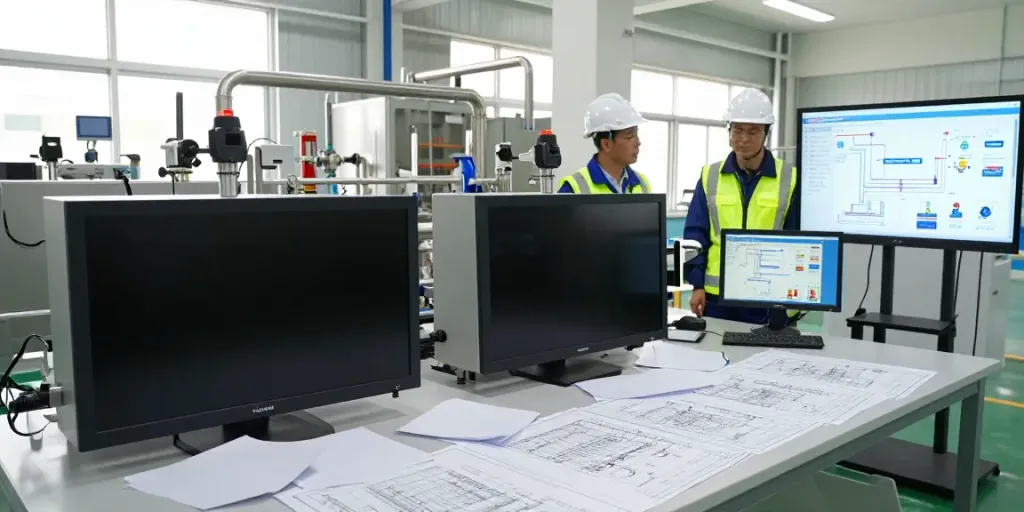
The integration of advanced technologies in containerized systems enhances treatment efficiency. QILEE’s systems utilize automation and real-time monitoring to optimize operations, ensuring maximum throughput while maintaining water quality. This efficiency translates to lower operational costs and reduced environmental impact.
Best Practices for Selecting a Water Treatment System Supplier
Choosing the right water treatment system supplier is critical for ensuring success in water management projects. Several best practices can guide stakeholders in making informed decisions.
Evaluating Supplier Experience and Reliability
It’s essential to assess a supplier's experience and reliability before entering into a partnership. Look for a supplier with a proven track record in your industry and a portfolio of successful projects. QILEE, with over two decades in the field, is recognized for its commitment to quality and customer satisfaction.
Understanding Compliance and Regulatory Standards
Suppliers must adhere to local and international water quality standards. Ensure that your chosen supplier has a thorough understanding of these regulations and can provide solutions that meet compliance. This understanding reduces the risk of operational delays or legal issues.
Analyzing Customer Reviews and Case Studies
Customer reviews and case studies can provide valuable insights into a supplier's capabilities. Consider reaching out to past clients to understand their experiences and the performance of the systems provided. This feedback can illuminate the potential challenges and strengths of the supplier.
Future Trends in Water Treatment Technologies (2026 and Beyond)
As we look to the future, several trends are shaping the landscape of water treatment technologies. Staying informed about these developments can help industries and municipalities prepare for upcoming challenges.
Emerging Technologies in Water Treatment
Innovations like artificial intelligence and machine learning are beginning to transform water treatment systems. These technologies can predict system performance and offer preventative maintenance solutions, significantly reducing downtime and improving reliability.
Impact of Sustainability on Water Treatment Systems
With the growing emphasis on sustainability, the focus of water treatment systems is shifting towards resource recovery and reducing waste. Technologies that enable water reuse and energy generation from wastewater treatment will become increasingly important as industries strive to minimize their environmental footprint.
Predictions for Market Growth and Innovations
The water treatment industry is projected to grow significantly in the coming years. As the demand for clean water rises globally, suppliers like QILEE are positioned to lead in innovation, providing advanced solutions that address the complexities of modern water challenges. This growth will likely spur further research and development in treatment technologies, pushing the industry towards efficiency and sustainability.
FAQs about Water Treatment Systems
Who makes the best water treatment system?
While "best" can be subjective and depend on specific needs, companies like QILEE are recognized for their comprehensive and high-quality solutions tailored for diverse applications.
How much should a water treatment system cost?
The cost of a water treatment system varies widely based on factors such as system size, technology employed, and installation requirements. A consultation with an experienced supplier can help you estimate costs specific to your needs.
Who are the largest water treatment companies?
Leading companies in the water treatment space include QILEE, EcoWater Systems, and Pentair, among others. These firms are known for their innovative solutions and strong market presence.