Understanding Mini Split Air Conditioners
As the demand for efficient, space-saving cooling solutions rises, the mini split air conditioner has emerged as a front-runner in the HVAC industry. These versatile systems provide targeted temperature control without the need for extensive ductwork, making them an ideal choice for both residential and commercial applications. Whether you're looking to cool a single room or an entire building, understanding how mini splits work can guide you toward the best options available.
When exploring options, mini split of air conditioner provides comprehensive insights that can help you make an informed decision for your space.
What is a Mini Split Air Conditioner?
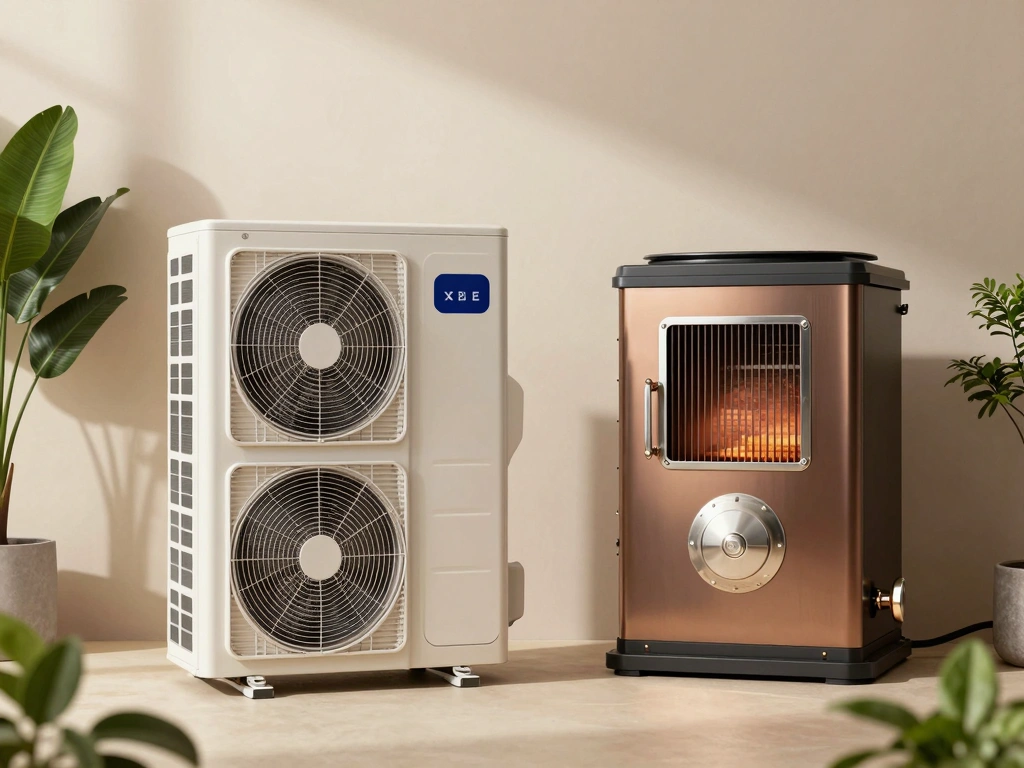
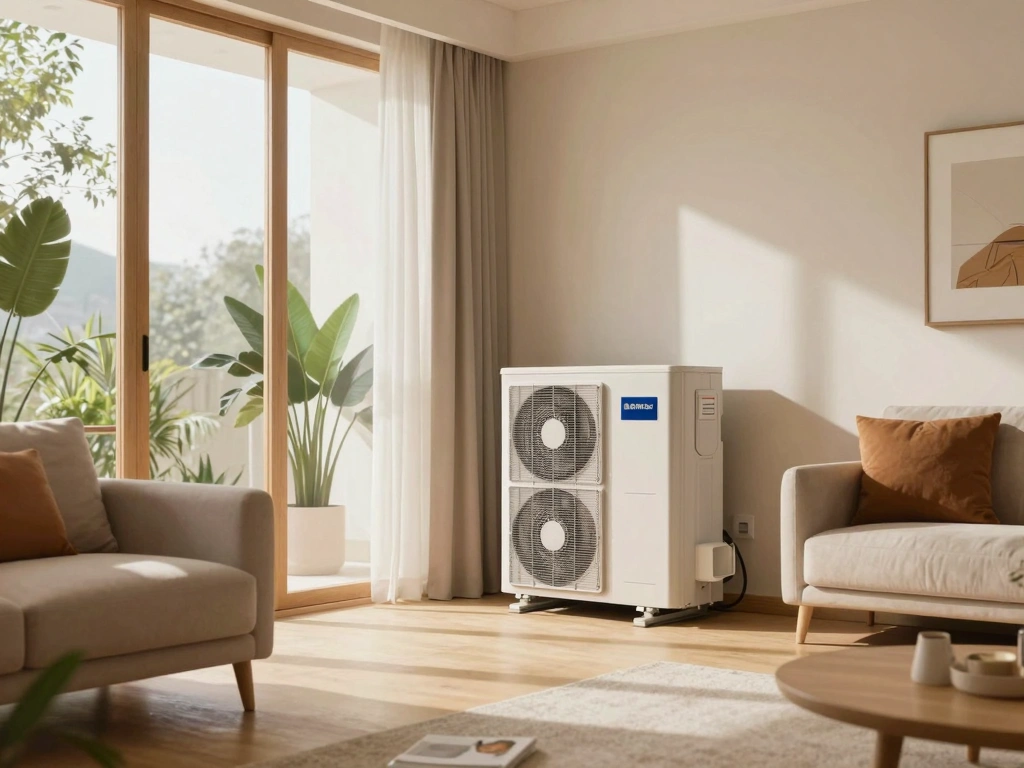
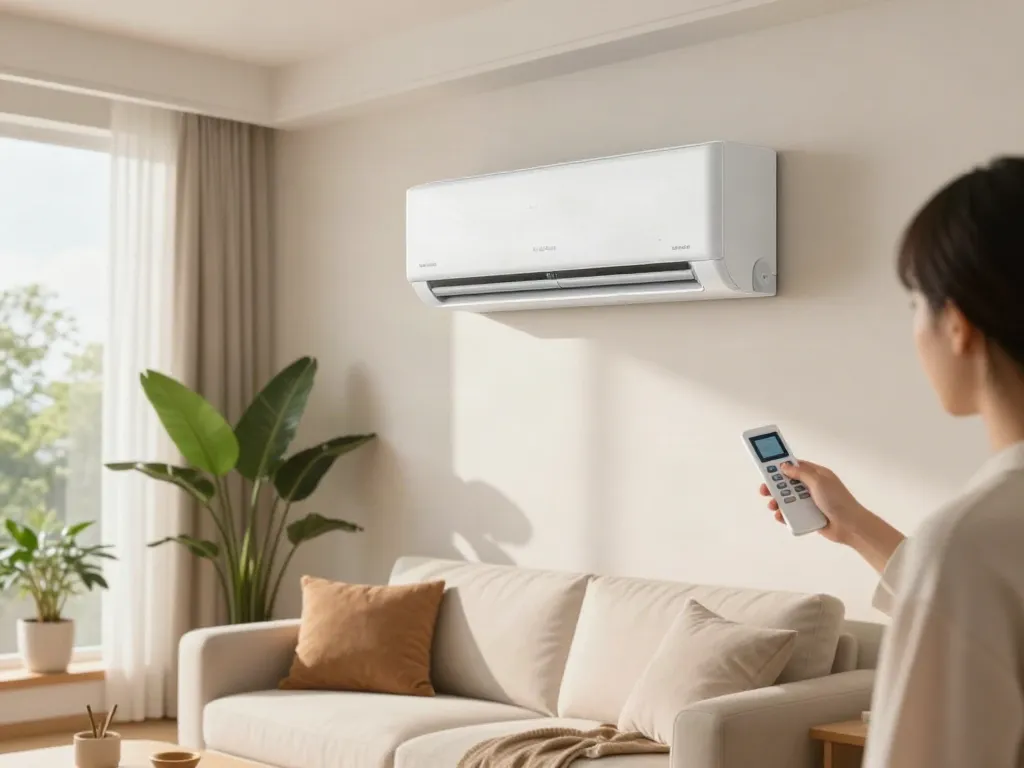
A mini split air conditioner, also known as a ductless mini-split system, comprises two main components: an indoor unit and an outdoor compressor unit. The indoor unit is mounted on a wall or ceiling, providing cooling directly to the room, while the outdoor unit houses the compressor and the condenser coil. This design allows for easy installation without the need for ductwork, making mini splits an attractive option for both new constructions and retrofits.
How Mini Splits Operate for Optimal Cooling
Mini split systems operate by transferring heat rather than generating cool air. The process begins when the indoor unit absorbs heat from the air inside the room. This heat is then transferred to the refrigerant circulating within the unit. The refrigerant, now heated, is sent to the outdoor compressor, which removes the heat and cools the refrigerant before it flows back to the indoor unit. This cycle continues until the desired temperature is reached, allowing for precise climate control in individual spaces.
Key Benefits of Mini Split Systems
- Energy Efficiency: Mini splits use inverter technology that adjusts the compressor speed to match the cooling demands, significantly reducing energy consumption.
- Zone Control: Each indoor unit can be controlled independently, enabling users to cool specific rooms without affecting the entire house.
- Quiet Operation: With the compressor placed outside, mini splits operate much more quietly compared to traditional central air systems.
- Easy Installation: Without the need for ducts, installation is straightforward and often requires less time and effort.
- Versatility: Mini splits can provide both cooling and heating, making them suitable for year-round comfort in various climates.
Choosing the Right Mini Split for Your Home
Factors to Consider When Selecting a Mini Split
When selecting a mini split air conditioner, several factors must be evaluated to ensure optimal performance. Consider the size of the area you intend to cool, the climate in your region, and your specific cooling needs. The cooling capacity, measured in BTUs (British Thermal Units), is critical; the right BTU rating ensures efficiency and comfort.
Comparing Mini Split Units: Efficiency and Features
Not all mini split systems are created equal. Energy efficiency ratings (SEER - Seasonal Energy Efficiency Ratio and HSPF - Heating Season Performance Factor) are vital when comparing units. A higher SEER rating indicates a more efficient system, which can lead to significant savings on energy bills over time. Additionally, features such as smart home integration, remote control, and air purification can enhance comfort and convenience.
Understanding Different Mini Split Configurations
Mini split systems come in various configurations, including single-zone and multi-zone systems. A single-zone system is ideal for cooling one room, while a multi-zone setup can control the temperature in several rooms or areas. Understanding your layout and specific needs will help you choose the right system for your home or business.
Installation Insights for Mini Split Air Conditioners
Do-It-Yourself vs. Professional Installation
While some homeowners may opt for a DIY installation, hiring a professional is generally recommended for mini split systems. Professionals ensure proper sizing, placement, and installation, which can vastly improve efficiency and performance. Incorrect installation can lead to a range of issues, including higher energy bills and reduced lifespan of the unit.
Cost Factors of Mini Split Installation
The cost of installing a mini split system can vary widely, depending on factors such as the brand, model, and whether you choose professional installation. On average, homeowners can expect to pay between $3,000 and $8,000 for a complete system, including the units and installation. Understanding these costs will help you plan your budget effectively.
Common Installation Mistakes to Avoid
To avoid costly mistakes, homeowners should be aware of common installation pitfalls. These include selecting the wrong size unit, improper placement of indoor/outdoor units, and neglecting to check local building codes. Working with a trained HVAC technician can mitigate these risks and ensure a successful installation.
Maintenance and Care for Mini Split Systems
Regular Maintenance Tips to Ensure Efficiency
Routine maintenance is essential for keeping mini split systems running efficiently. Homeowners should clean or replace filters regularly, check for obstructions around the outdoor unit, and schedule annual inspections with a professional technician. These steps help prolong the life of the unit and maintain its energy efficiency.
Identifying Common Issues in Mini Split Units
Common problems with mini split systems can range from refrigerant leaks to unfamiliar noises. Understanding these issues can help you identify when it's time to call a professional. For instance, if the unit is failing to cool effectively, it may indicate a refrigerant issue or a problem with the compressor.
How to Troubleshoot Mini Split Performance Problems
Homeowners can troubleshoot a few basic performance problems before calling a technician. Ensure that filters are clean, the remote control has working batteries, and that there are no obstructions blocking airflow. Addressing these minor issues can often resolve performance problems without the need for costly repairs.
Future Trends in Mini Split Technology (2026 and Beyond)
Emerging Technologies in Mini Split Air Conditioning
The mini split air conditioning market is expected to see advancing technologies, such as improved inverter technology, smart thermostats, and more efficient refrigerants. These innovations will enhance energy savings further and provide enhanced control over indoor climates, responding dynamically to usage patterns.
Energy Efficiency Standards for the Future
As energy efficiency becomes an even greater priority, regulations will likely tighten further. Manufacturers are already beginning to produce systems that exceed current standards, setting the stage for more environmentally friendly cooling solutions.
Consumer Preferences Shaping Mini Split Designs
Consumer preferences are evolving toward designs that offer greater aesthetics, reduced noise levels, and advanced smart features. As homeowners become more tech-savvy, their demand for connected devices will increase, leading to mini splits that integrate seamlessly with smart home systems.
What are the downsides of a mini-split AC system?
While mini-split systems offer many advantages, there are some downsides. These systems can be more expensive upfront than traditional units, and their aesthetic appeal may not suit everyone's tastes due to the visible indoor units. Additionally, if not properly maintained, they can develop issues similar to any other cooling system.
Why is my electric bill so high with mini split?
High electric bills associated with mini splits can result from inadequate sizing, improper installation, or lack of maintenance. It's crucial to ensure that the system is appropriately matched to the space it serves and that it's regularly serviced to maintain efficiency.
What is the typical cost of installing a mini split system?
The cost of installation can vary depending on factors, such as the number of zones, the complexity of the installation, and the brand of the system. Homeowners should budget for both the purchase and installation costs, which can range from $3,000 to over $8,000 for multi-zone systems.
Are mini-splits good for air conditioning?
Yes, mini-splits are effective for air conditioning, especially in spaces without existing ductwork. They provide efficient cooling and heating solutions while offering flexibility and control over individual room temperatures. Their efficiency can lead to energy savings over time, making them a popular choice for many homeowners.