Understanding the Tutu Store Landscape
In the colorful world of dance and performance wear, the tutu store represents a niche market catering to both aspiring dancers and seasoned professionals. These specialized stores not only provide an array of tutus but also offer a unique shopping experience that incorporates the artistry of dance with the latest fashion trends. With the increasing popularity of dance in various forms—whether for competition, recitals, or recreational purposes—the demand for quality tutus is steadily on the rise.
What is a Tutu Store?
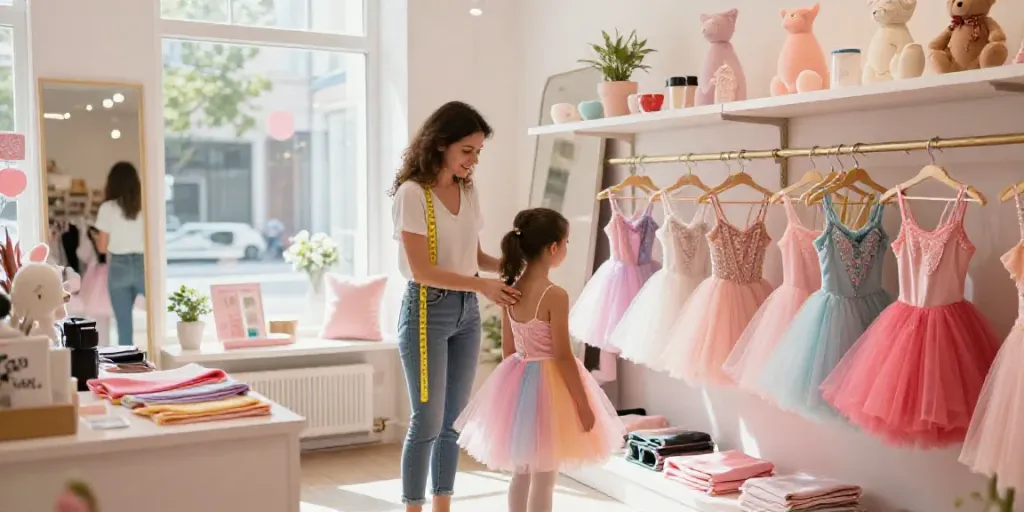
A tutu store is a retail establishment dedicated to selling tutus—a type of skirt made from tulle or similar materials, often worn by dancers. These stores provide a variety of options tailored to different dance styles, ages, and occasions, including performance, practice, and casual wear. More than just a retail space, a tutu store often acts as a community hub, where dancers and parents can receive expert advice on sizing, styles, and care.
The Evolution of Tutu Stores
Traditionally, tutu stores were focused primarily on ballet, but as dance styles have diversified, so have the offerings. Modern tutu stores now stock a wide range of dancewear, including costumes for contemporary, jazz, and even themed events like Halloween and birthday parties. This evolution reflects the broader changes in the dance community, including an emphasis on inclusivity and creativity in performance wear.
Why Choose a Specialty Tutu Store?
Choosing a specialty tutu store over general retailers has significant advantages. These stores typically employ knowledgeable staff who understand the nuances of fitting and styling for various dance forms. Furthermore, the tutus and related accessories offered are often of higher quality, designed specifically for movement and performance. Additionally, many tutu stores provide unique options that may not be found in mainstream retailers, like custom designs and a broader selection of fabrics.
Exploring Tutu Types and Styles
Tutus come in various styles and types, each suited for different types of dance and performance settings. Understanding these differences is crucial for making the right choice for your needs.
Different Types of Tutus Available
When shopping for a tutu, it's essential to know the different styles available:
- Classical Tutu: Known for its structured layers and short length, this style is traditionally used in ballet performances.
- Romantic Tutu: A longer, softer skirt that typically falls between the knee and the ankle, often featured in ballets like "Giselle."
- Balloon Tutu: Characterized by its voluminous shape, this tutu is often favored for contemporary dance and theatrical performances.
- Ballet Tutu: This term can refer to both classical and romantic styles but is often used to denote the iconic look associated with ballet dancers.
The Importance of Size and Fit in Choosing a Tutu
Finding the right size and fit is crucial when selecting a tutu. An ill-fitting tutu can obstruct movement and reduce performance quality. It's recommended that dancers measure their waist and hips and refer to size charts provided by the store. Many tutu stores also offer fitting services, which can be incredibly helpful for first-time buyers who might not be familiar with sizing conventions in dancewear.
Choosing a Tutu for Different Occasions
Different dance occasions call for different styles of tutus. For example, a classical tutu is ideal for ballet recitals, while a balloon tutu may be more appropriate for a contemporary routine. Additionally, factors such as fabric and embellishments play a significant role in the selection process. For special events like competitions, a tutu with sparkling accents or vibrant colors might be preferred to help performers stand out.
Shopping Smart: Tips for Parents
For parents shopping for their little dancers, navigating a tutu store can be overwhelming. Here are some tips to ensure a positive experience:
How to Navigate a Tutu Store Effectively
Understanding the layout of a tutu store can help streamline your shopping experience. Start by asking staff members for guidance on the different sections—most stores divide their inventory by age, size, and dance style. Additionally, utilizing store-specific apps or loyalty programs can provide discounts or insights into new arrivals.
Understanding Quality and Pricing of Tutus
Quality is key when it comes to tutus. While cheaper options may seem appealing, they may not withstand the rigors of dance. Investing in a higher-quality tutu can save money in the long run, as it will likely last longer and perform better. Be sure to analyze the materials used, such as tulle quality, lining, and any embellishments.
Identifying the Best Time to Shop for Tutus
Shopping during sales or off-peak seasons can lead to significant savings. Many stores offer discounts during back-to-school seasons or after major dance competitions. Additionally, keeping an eye out for promotional events hosted by tutu stores can provide exclusive deals.
Balancing Fashion and Functionality
When selecting a tutu, it's essential to find a balance between style and performance. This section delves deeper into how to achieve that equilibrium.
Choosing Performance vs. Fashion Tutus
Performance tutus are designed with specific dance movements in mind, focusing on functionality and comfort. Fashion tutus, while stylish, may not always meet the rigorous demands of dance. Assess the purpose of the tutu before making a purchase to ensure that it meets both aesthetic and practical needs.
Accessorizing for a Complete Dance Outfit
Pare down your search by considering the entire outfit. Accessories such as leotards, tights, ballet shoes, and hairpieces can complement a tutu beautifully. Don’t forget about the importance of comfort; all pieces should allow for freedom of movement and confidence during performance.
Maintenance and Care for Your Tutu
To ensure longevity, proper care for a tutu is essential. Most tutus can be hand-washed in cold water with mild detergent and air-dried. Avoid harsh chemicals or bleach that could damage delicate fabrics. Storing the tutu properly, such as hanging it or in breathable garment bags, will also help maintain its shape and style.
Future Trends in Tutu Fashion for 2026
The world of dance fashion is ever-evolving, and the future holds exciting possibilities for tutu designs and retail strategies.
Emerging Styles and Influences in Tutu Design
We can expect to see an influx of modern designs combining traditional elements with contemporary aesthetics. Innovative fabrics and digital prints are likely to play a significant role, allowing for customizable options that reflect individual dancer styles.
Sustainable Practices in Tutu Making
As environmental concerns continue to grow, more tutu makers are adopting sustainable practices. Organic fabrics, eco-friendly dyes, and ethical manufacturing processes will become increasingly prevalent, allowing consumers to make conscious choices when it comes to dancewear.
What to Expect in Tutu Retailing
The retail landscape for tutus will increasingly shift online as e-commerce continues to dominate the shopping experience. However, physical stores will remain vital community hubs, offering personal fittings and live demonstrations. Expect to see seamless integration of technology, such as augmented reality tools, to enhance the shopping experience.