Understanding DPF Regeneration: What You Need to Know
Diesel engines are renowned for their power and efficiency, but they also produce harmful emissions that must be managed effectively. At the heart of this management lies the diesel particulate filter (DPF), a crucial component designed to trap soot and other particulate matter. However, over time, these filters can become clogged, hindering engine performance and increasing emissions. This is where dpf regeneration comes into play, a process essential for maintaining the efficiency and longevity of diesel engines.
What is DPF Regeneration?
DPF regeneration refers to the process of cleaning the diesel particulate filter. As diesel engines operate, they generate soot and particulate matter that the DPF captures. When the filter becomes saturated, it must undergo regeneration to burn off the accumulated soot, converting it into ash that can be safely removed. There are various methods of regeneration, including passive and active techniques, which we will explore in detail.
Importance of DPF Maintenance
Regular maintenance of the DPF is critical to ensure optimal engine performance and compliance with environmental regulations. A neglected DPF can lead to increased fuel consumption, reduced engine power, and potentially severe engine damage. Furthermore, failure to maintain the DPF may result in costly repairs and replacement, making it vital for vehicle owners to prioritize proper DPF maintenance.
Common Misconceptions About DPF Regeneration
Many misconceptions surround DPF regeneration, often leading to confusion among diesel vehicle owners. One common myth is that DPF regeneration is unnecessary if the vehicle is operated under normal conditions. In reality, even light-duty vehicles require occasional regeneration to prevent soot accumulation. Another misconception is that DPF regeneration is a quick fix. Depending on the method, the regeneration process can take anywhere from a few minutes to over an hour, requiring proper understanding and planning.
Types of DPF Regeneration Techniques
Active vs. Passive DPF Regeneration
DPF regeneration can be categorized into two main types: passive and active regeneration. Passive regeneration occurs automatically during normal driving conditions when exhaust temperatures reach a sufficient level to burn off soot. This typically happens during highway driving or under heavy load. On the other hand, active regeneration is initiated by the vehicle's engine control unit (ECU) when it detects that the DPF is nearing capacity. This process increases exhaust temperatures through additional fuel injection to facilitate the burning off of soot.
Manual Regeneration: When and How
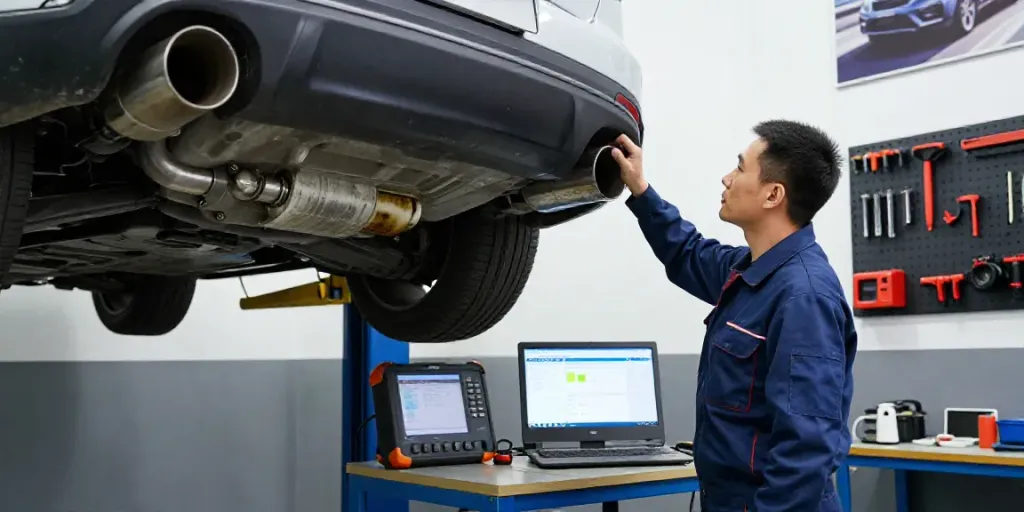
In some situations, manual regeneration may be necessary, especially when the vehicle is experiencing ongoing DPF issues or when passive and active regenerations are insufficient. Manual regeneration can be performed using diagnostic tools that connect to the vehicle’s onboard computer. This process requires knowledge of the vehicle's specific procedures and should ideally be conducted by a trained technician to avoid complications.
Technology in DPF Regeneration: Advancements and Tools
The landscape of DPF regeneration is continually evolving, with advancements in technology offering more effective solutions. Modern diagnostic tools allow technicians to monitor DPF performance and manage regeneration efficiently. Furthermore, innovations such as ultrasonic cleaning and specialized cleaning fluids improve the ability to maintain DPFs without costly replacements.
Challenges in the DPF Regeneration Process
Identifying DPF Issues and Warning Signs
Recognizing the signs of a clogged or malfunctioning DPF is crucial for timely intervention. Symptoms include decreased engine performance, increased fuel consumption, and illuminated warning lights on the dashboard. Understanding these indicators can help vehicle owners take proactive measures to address DPF issues before they escalate into major problems.
Common Problems Encountered During Regeneration
During the regeneration process, several issues may arise, including overheating, incorrect fuel injection, and malfunctioning sensors. These problems can prevent successful regeneration, leading to increased soot accumulation and further complications. Regular diagnostics and maintenance can help address these issues before they affect vehicle performance.
Impact of Driving Conditions on DPF Performance
Driving conditions play a vital role in DPF performance and regeneration frequency. Short trips, frequent idling, and urban driving can prevent the necessary exhaust temperatures required for passive regeneration. Conversely, extended highway driving can facilitate effective DPF cleaning. Understanding how different driving conditions affect DPF health can help owners adjust their driving habits for optimal maintenance.
Best Practices for DPF Regeneration
Regular Maintenance Routines for Optimal Performance
To ensure the longevity and effectiveness of the DPF, adopting a regular maintenance routine is essential. This includes periodic inspections, cleaning, and ensuring that the vehicle's software is up to date. Additionally, drivers should be encouraged to allow their vehicles to reach operating temperatures regularly to enable passive regeneration.
Using Diagnostic Tools Effectively
Utilizing advanced diagnostic tools can significantly improve the management of DPF regeneration. These tools can provide real-time data on filter performance and identify potential issues before they escalate. Vehicle owners should consider investing in such tools or consulting professionals who have access to them to maintain optimal DPF health.
When to Consult a Professional for DPF Issues
While some aspects of DPF maintenance can be handled by vehicle owners, certain problems require professional intervention. If the DPF warning light remains illuminated after attempting regeneration or if the vehicle fails to respond to normal maintenance practices, it’s time to consult a qualified technician. Early intervention can save costs and prevent further damage.
Future Trends in DPF Technology and Maintenance
Emerging Technologies in Diesel Engines
The future of diesel engine technology is promising, with significant improvements in emissions control and efficiency. Newer models are expected to feature enhanced DPF systems that require less frequent regeneration and offer more effective filtration of particulate matter. Innovations such as hybridization and electrification are also likely to change the landscape of diesel power.
The Role of Eco-Friendly Practices in DPF Maintenance
As environmental regulations become stricter, the focus on eco-friendly practices in DPF maintenance is intensifying. Methods such as using biodegradable cleaning agents and optimizing fuel formulations are likely to gain traction, promoting sustainability within the industry while ensuring effective DPF performance.
What to Expect in DPF Management by 2026
By 2026, we can anticipate significant advancements in DPF management, including more automated and efficient regeneration processes. Additionally, the integration of machine learning algorithms in vehicle diagnostics may enhance predictive maintenance capabilities, ultimately leading to longer-lasting DPFs and reduced downtime for diesel vehicles.
How do I regenerate my DPF?
Regenerating a DPF involves either passive or active methods, with most newer diesel vehicles designed to handle this automatically. However, manual regeneration might be required in some scenarios. Consulting the vehicle’s owner manual can provide specific instructions on refreshing the DPF.
Can I drive during DPF regeneration?
While it is possible to drive during the regeneration process, it is advisable to avoid conditions that might interrupt the cycle, such as frequent stops or low-speed driving. Maintaining higher speeds can facilitate more effective regeneration.
Can you unblock a DPF yourself?
While some DIY methods exist for DPF cleaning, tackling a blocked DPF without proper knowledge and tools can lead to further complications. It is often best to seek professional help for effective and safe unblocking.
How long should DPF regen take?
The duration of the DPF regeneration process can vary significantly depending on the method employed. Passive regeneration may take place seamlessly during normal driving, while active and manual regeneration may take anywhere from 10 to 30 minutes or longer, depending on the vehicle’s condition and design.
What tools are best for DPF regeneration?
Several tools can aid in DPF regeneration, including diagnostic scanners that monitor filter performance, cleaning kits that safely remove soot, and software solutions designed to initiate manual regeneration. Vehicle owners should seek reliable tools tailored for their specific vehicle model to ensure effective use.