The Importance of Free Teacher Resources for Modern Classrooms
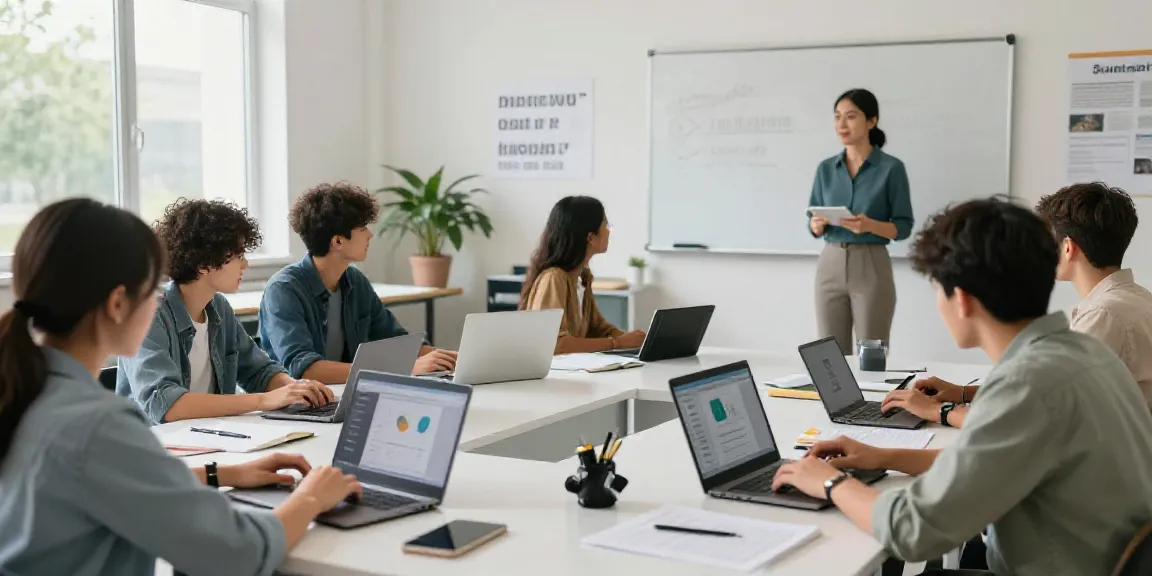
In an ever-evolving educational landscape, the significance of Free teacher resources cannot be overstated. With the lure of interactive technology and diverse instructional methods, educators are constantly searching for ways to enhance student engagement and learning outcomes. Free resources not only provide essential support for classroom management but also foster a dynamic learning environment that adapts to the unique needs of students in grades 6 to 12. This article delves into the various aspects of free educational resources and their invaluable role in modern teaching.
Understanding the Value of Free Teacher Resources
Free teacher resources encompass a wide range of materials, including lesson plans, worksheets, activities, and assessment tools. They help educators save time and money, allowing them to concentrate on what truly matters—teaching. Moreover, these resources promote educational equity by providing all teachers, regardless of their budget or school funding, access to quality materials. This democratization of educational resources enables teachers to create inclusive classrooms that cater to diverse learning styles.
Why Teachers Need Versatile Resources
Versatility is a cornerstone of effective teaching. Teachers often find themselves in situations where they must adapt instruction on the fly. Having a repository of versatile resources allows educators to easily tailor their lessons to accommodate various student needs. From differentiated instruction strategies to varied assessment options, free resources empower teachers to engage every student, helping them grasp complex concepts.
Enhancing Student Engagement with Free Materials
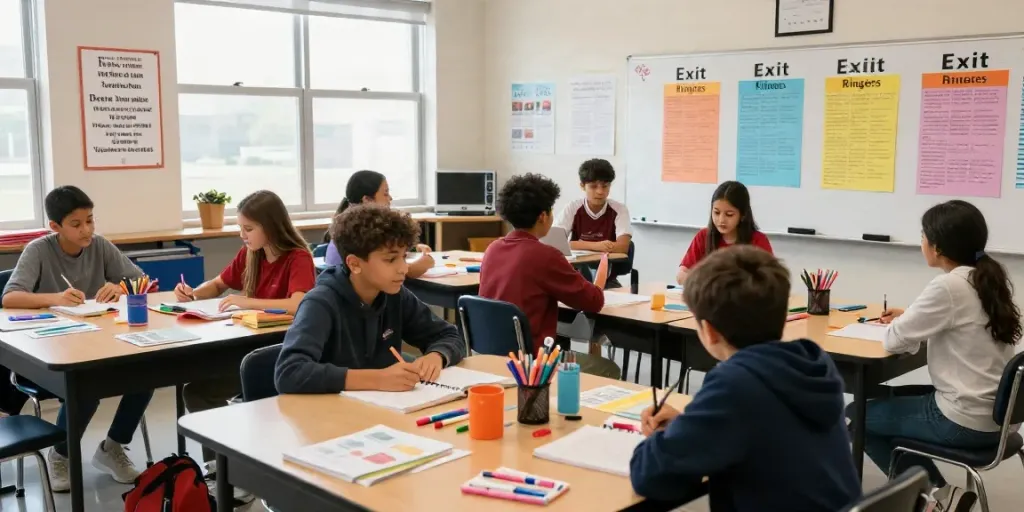
Student engagement is pivotal for effective learning. Free teacher resources offer dynamic content that captures students' interests and motivates them to participate actively in class discussions. By integrating diverse materials—such as interactive exit tickets and engaging bell ringers—teachers can foster a classroom atmosphere that encourages academic curiosity and critical thinking.
Innovative Uses for Exit Tickets in Classrooms
What Are Exit Tickets and Their Benefits?
Exit tickets are short assessments administered to students at the end of a class or lesson, designed to gauge understanding and gather feedback. These quick checks not only help teachers identify areas where students may struggle but also provide immediate insight into the effectiveness of their instruction. Utilizing exit tickets effectively can enhance student accountability and encourage self-reflection.
Creative Examples of Exit Tickets for Grades 6-12
- Quick Writes: Ask students to write a few sentences summarizing what they learned during the lesson.
- One-Minute Interviews: Pair students to discuss key concepts with each other, then share insights with the class.
- Concept Maps: Have students create a visual representation of the key ideas from the day’s lesson.
- Reflection Questions: Provide prompts that encourage students to reflect on their learning and express areas of confusion.
How to Implement Exit Tickets Effectively
To implement exit tickets effectively, teachers should clearly communicate the purpose and expectations to students. Using a consistent format can make the process smoother and ensure that feedback is easily actionable. Teachers may also consider using digital platforms for submission to facilitate collection and analysis of responses.
Crafting Engaging Bell Ringers for Daily Routine
What Are Bell Ringers and How Do They Work?
Bell ringers are short activities or tasks that students complete at the beginning of a lesson. Their main purpose is to focus students' attention and prepare them for the day's learning objectives. By maximizing the time from when students enter the classroom to when the lesson officially begins, teachers can effectively set the tone for productive learning.
Top Strategies for Creating Effective Bell Ringers
- Connect with Previous Lessons: Use bell ringers to review concepts learned in previous classes, reinforcing knowledge and building upon it.
- Incorporate Current Events: Engage students by connecting lessons to relevant news stories or contemporary issues.
- Utilize Multimedia: Integrate videos, images, or articles to stimulate discussion and critical thinking right from the start.
- Encourage Creativity: Allow students to express their thoughts through drawings, mind maps, or short written responses.
Integrating Technology with Bell Ringer Activities
Incorporating technology into bell ringer activities can make them even more engaging. Tools such as interactive quizzes, digital sticky notes, or collaborative platforms can enhance participation and foster a sense of community among students. Emphasizing technology helps to prepare students for the digital world while simultaneously enriching their learning experiences.
Overcoming Challenges in Resource Accessibility
Common Obstacles in Finding Free Teacher Resources
Despite the abundance of free resources available, teachers often face challenges in finding quality materials. Overwhelming options, inconsistent quality, and difficulty in navigating various websites can hinder educators' efforts to source effective teaching tools. Additionally, many teachers may not be aware of all the resources available to them.
Strategies to Maximize Resource Utilization
- Curate a Personal Resource Library: Create an organized digital library of preferred resources for easy access during lesson planning.
- Engage in Professional Learning Communities: Collaborate with fellow educators to share resources and teaching strategies.
- Stay Updated: Subscribe to newsletters or follow educational blogs to keep informed about new resources that become available.
Building a Community for Resource Sharing
Creating a supportive network among educators can significantly enhance resource accessibility. By participating in forums, social media groups, or local education conferences, teachers can exchange materials and share best practices. This communal approach ensures that all educators can benefit from a wider array of resources, ultimately improving the educational experience for their students.
Future Trends in Educational Resources by 2026
Emerging Technologies to Enhance Teacher Resources
As we look toward 2026, emerging technologies such as artificial intelligence, virtual reality, and adaptive learning platforms are anticipated to play a significant role in shaping educational resources. These innovations aim to personalize learning, providing unique pathways for each student while streamlining lesson planning for teachers. Such advancements can enhance engagement and deepen understanding by creating immersive and interactive experiences.
Predictions for Resource Accessibility in the Classroom
The future of resource accessibility will likely involve a more integrated approach, where physical and digital resources coexist seamlessly. Educators might find themselves using a blend of printed materials and digital applications that adapt to real-time classroom needs. Enhanced collaborations among educators and tech developers will pave the way for streamlined access to high-quality materials.
Preparing for Future Classroom Needs with Innovative Resources
To prepare for future classroom needs, educators must remain adaptable and open to change. By continuously seeking out new resources and pedagogical strategies, teachers can create robust learning environments that meet their students' evolving needs. Investing in professional development and embracing innovative teaching methods will be essential in ensuring success in the modern classroom.
What are the best sources for free teacher resources?
Teachers can find several reputable sources for free materials, including educational websites, online forums, and collaborative platforms that offer lesson plans and activities tailored to the curriculum.
How can exit tickets improve student learning?
By providing immediate feedback to both students and teachers, exit tickets can improve learning outcomes. They help identify knowledge gaps and promote reflection on the day's lessons.
Where to find effective bell ringer activities?
Effective bell ringer activities can be sourced from educational resource websites, teacher collaboration groups on social media, and online educational platforms dedicated to K-12 education.
Can I create my own learning materials for free?
Absolutely! Many online tools and resources allow educators to create customized lesson plans, worksheets, and activities tailored to their classroom needs without incurring any costs.
What challenges do teachers face in accessing resources?
Common challenges include navigating an overwhelming array of options, ensuring the quality of resources, and the time constraints associated with lesson preparation.